Observe
We note common desk layouts in home offices, studios, and shared floors—what people reach for, where light falls, how chairs are adjusted.
We observe how people actually sit, reach, and pause—not how catalogs say they should. Our writing turns those patterns into clear, repeatable setup steps.
Most knowledge work happens in a chair at a flat surface. Small mismatches—screen too low, chair too deep, lamp behind the monitor—add up across hours. We document adjustments that respect both comfort and concentration.
Our material is educational. We describe alignment ideas and environment tips without claiming clinical outcomes or one-size-fits-all fixes.
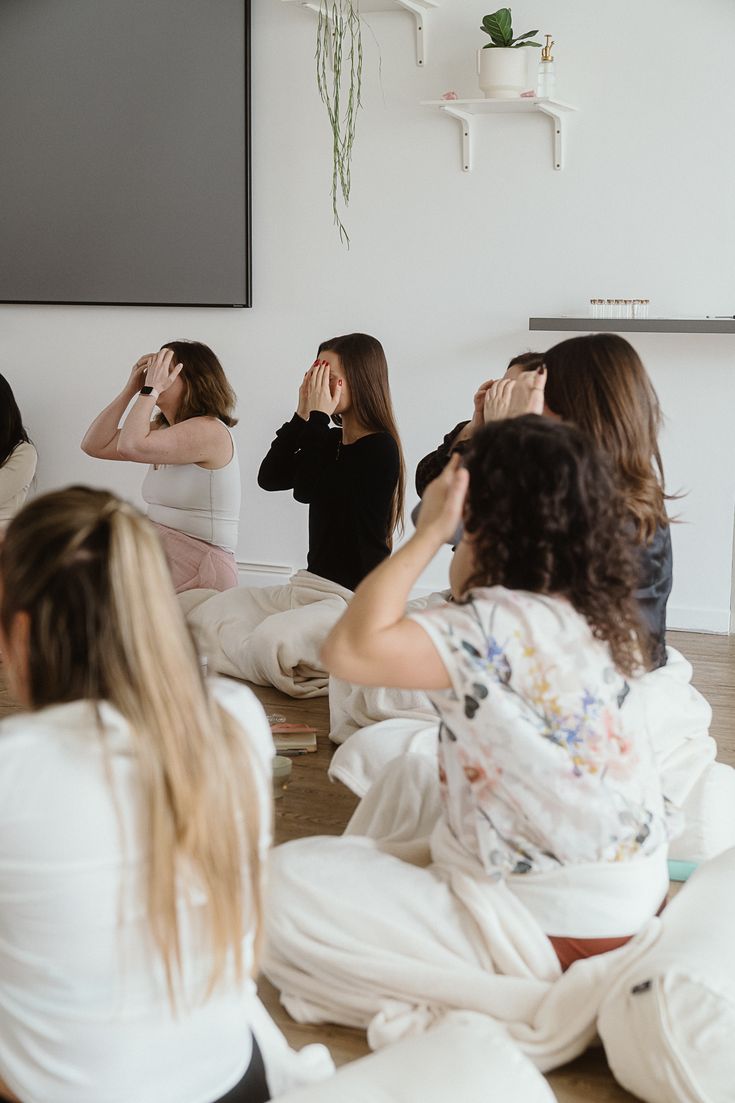
We note common desk layouts in home offices, studios, and shared floors—what people reach for, where light falls, how chairs are adjusted.
Steps are shortened to what fits a lunch break: measure once, adjust, test for a week, refine if needed.
Guides are reviewed when tools change—new monitors, sit-stand frames, or hybrid schedules—not on a hype cycle.
Meet the people behind the research and editorial choices.
Meet the foundersLast updated: May 18, 2026
We aim to make strainingnnyouth.world accessible to visitors in the United States, including users of assistive technology.
Semantic HTML, keyboard-focusable controls, text alternatives on images, sufficient color contrast on primary text, and resizable layouts on mobile devices.
Some third-party embeds (such as maps) may not meet all accessibility criteria. We review core pages regularly.
Email business@strainingnnyouth.world or call +1 (773) 433-6100 with accessibility questions. We try to respond within five business days.